KohanZamin
Ancient Territory
Persepolis
01
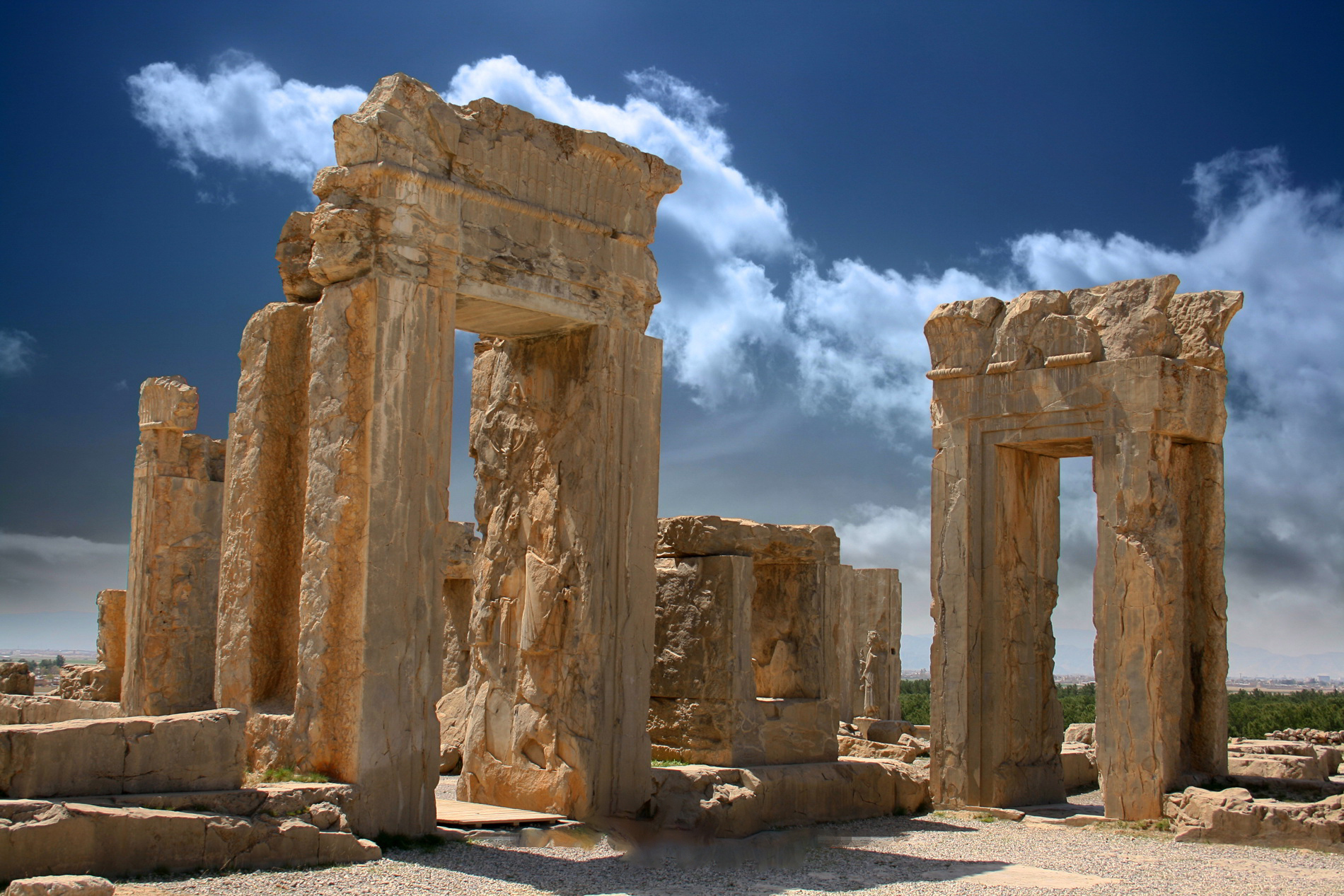
Founded by Darius I in 518 B.C., Persepolis was the capital of the Achaemenid Empire. It was built on an immense half-artificial, half-natural terrace, where the king of kings created an impressive palace complex inspired by Mesopotamian models. The importance and quality of the monumental ruins make it a unique archaeological site.
NaghsheJahan
02
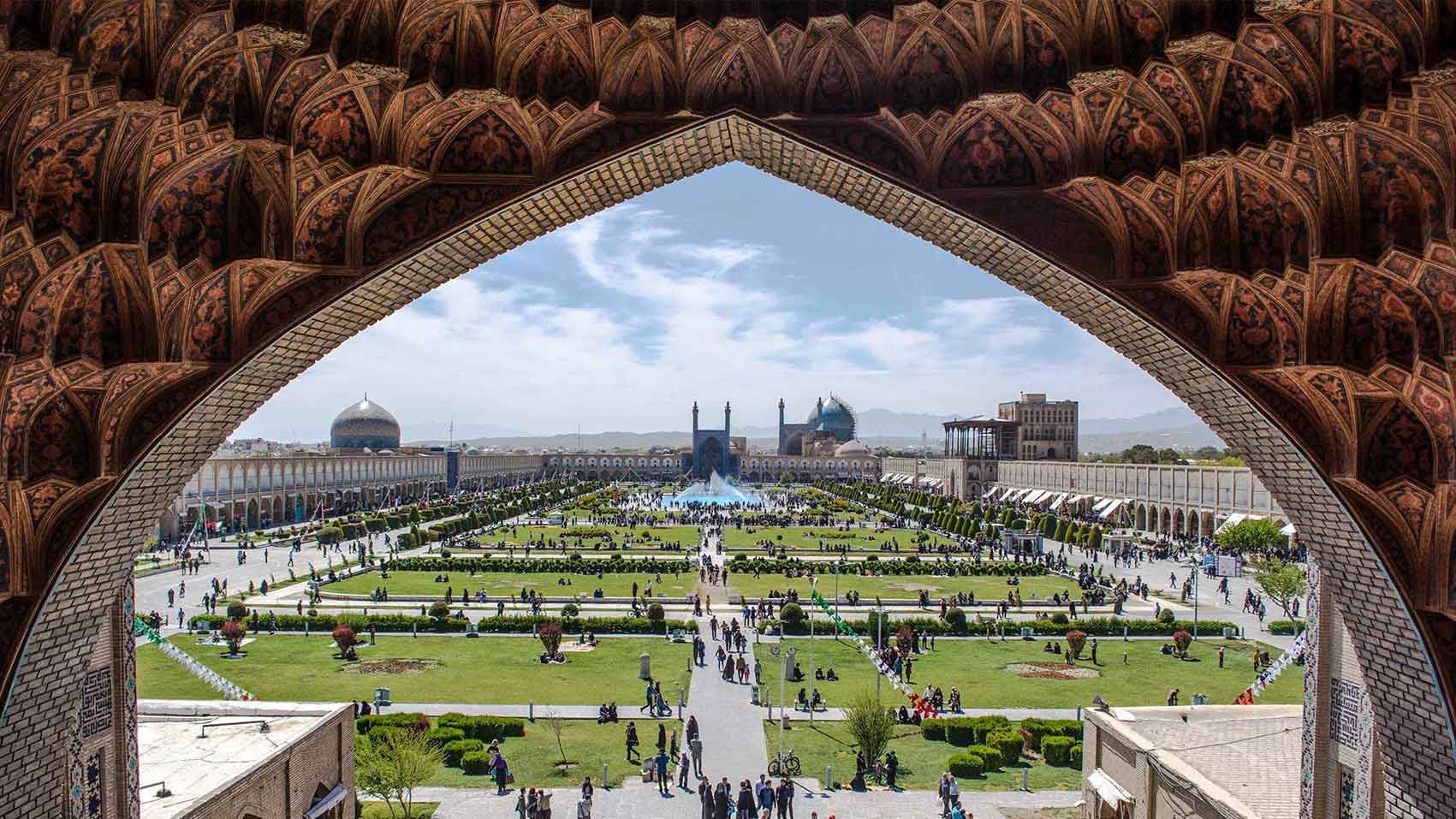
Naghsh Jahan Square, also known as Imam Square, is one of the most beautiful places in Isfahan. In fact, the gathering of many ancient monuments of this city is in Naghsh Jahan Square. This beautiful square has had many ups and downs during its life in different governments and has been neglected by the rulers at different times; But today it has a lot of glorious fans all over the world. The site’s inscription on the UNESCO World Heritage List demonstrates the importance of the area.
Sa’adabad
03
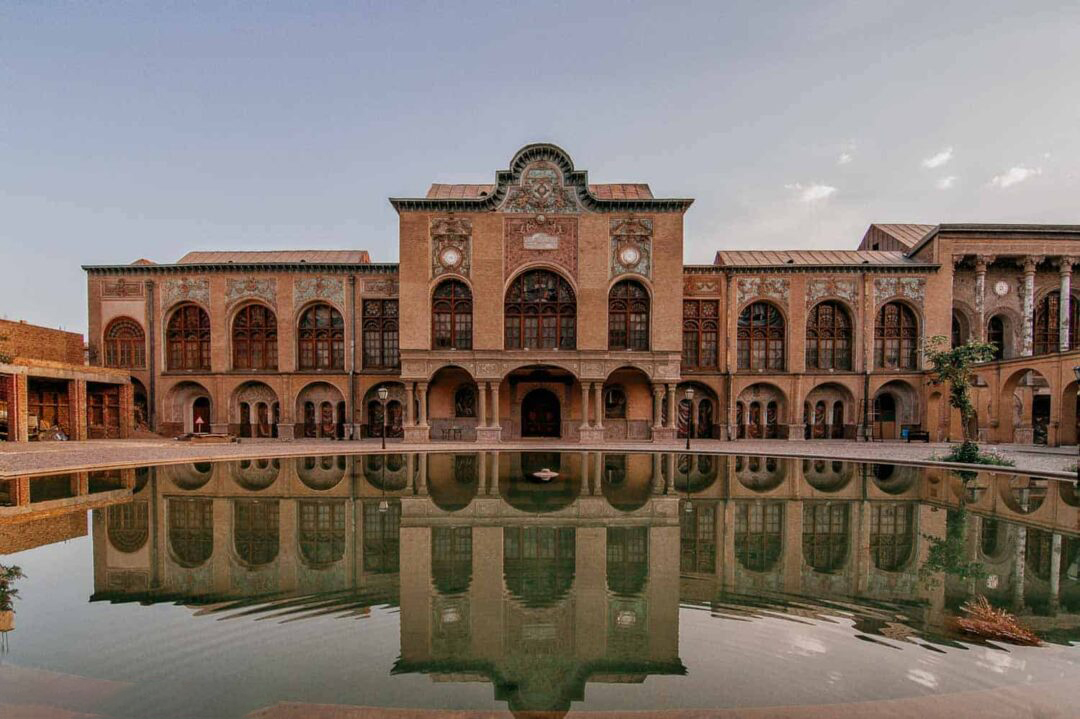
The complex was constructed in the 19th century and belonged to the Qajar era monarchs and their families. In 1920s Shah Reza Pahlavi added some buildings to the complex and used the palace as a summer residence. In 1970s his son, Mohammad Reza Pahlavi moved there. In 1979, after the Islamic Revolution, the complex became a museum. Iranian Cultural Heritage Organization operates and maintains the complex.



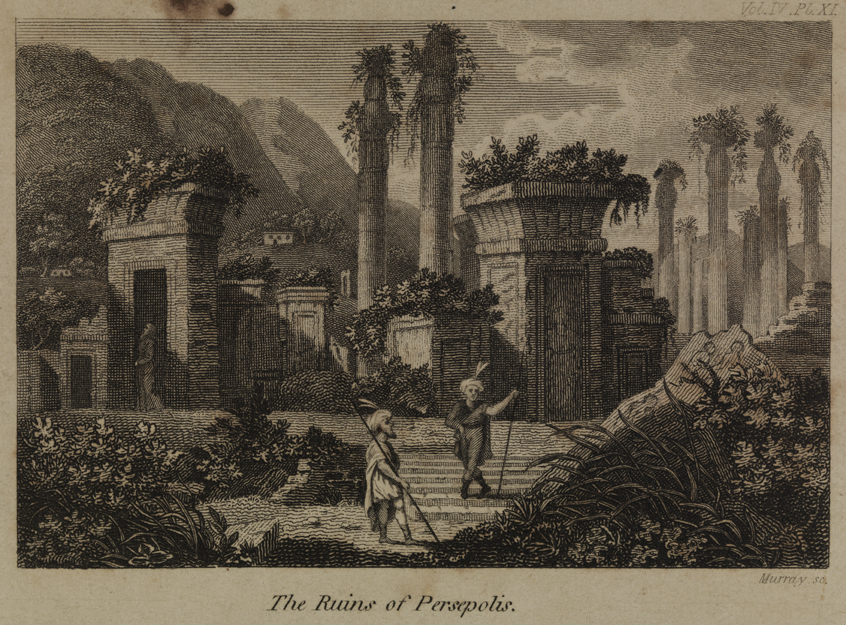
Persepolis was the Greek name of the city. It simply means “the city of the Persians.” This reflects its importance as the heart of the Achaemenid Empire. Even though it was not a city in the usual sense of the word, and even though it didn’t exactly have a huge permanent population or produce many things, it was an important symbol of the power of the king of kings, (the power of Darius I in particular).
.webp)
.webp)
.webp)
Persepolis Foundation
One of the most famous historical cities of Iran is definitely Persepolis. While Iran has had many
large
cities and important capitals, including Ecbatana, Arsacia, Ctesiphon, and others, none have quite
captured the imagination quite like Persepolis.
Where is Persepolis?
Persepolis is located in the province of Fars in southern Iran. It is close to the major modern city
of
Shiraz. It was essentially constructed in the very heart of the Achaemenid Empire. The modern province
of Fars roughly corresponds to ancient Parsa, which was considered the land of the Persians. While the
Achaemenid Persians had several extremely important cities as well as other capitals, Persepolis was
definitely a site of great psychological importance for the Empire even if it was not a standard city.
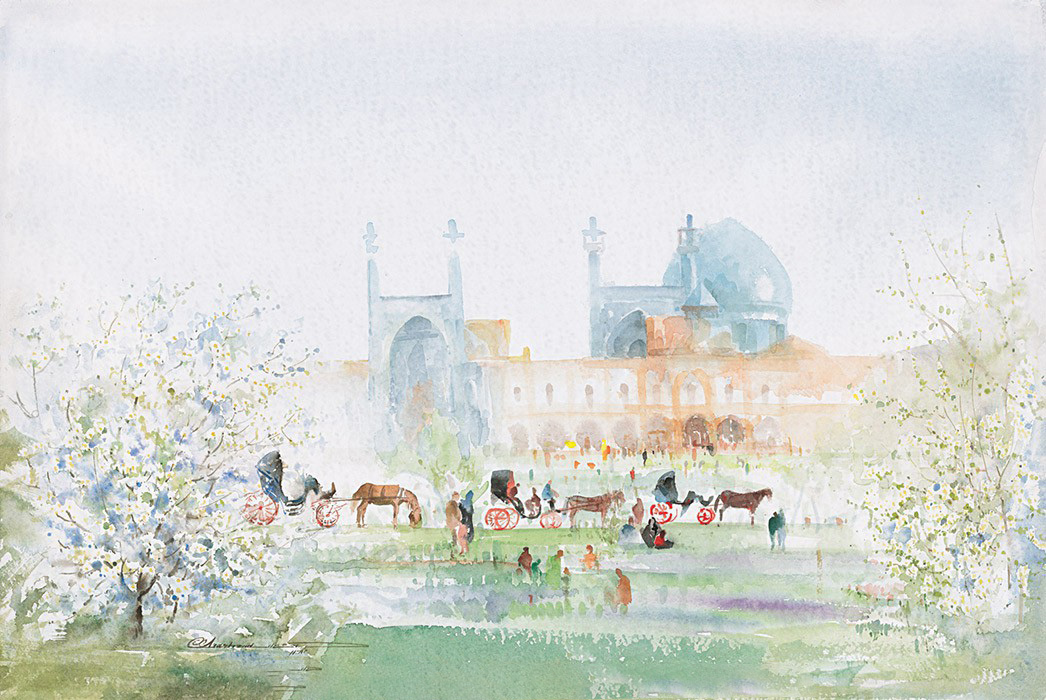
Naghsh Jahan Square had a large garden before the Safavid government came to power and in the middle of the square, which was called “Dar Kushk”, there were military buildings from the Timurid and Agh Quyunlu periods. This was the western part of today’s square where the “Aali Qapo” mansion is now located. Since the Seljuk rule, the square has been the site of national celebrations such as Nowruz and the execution site of convicts.
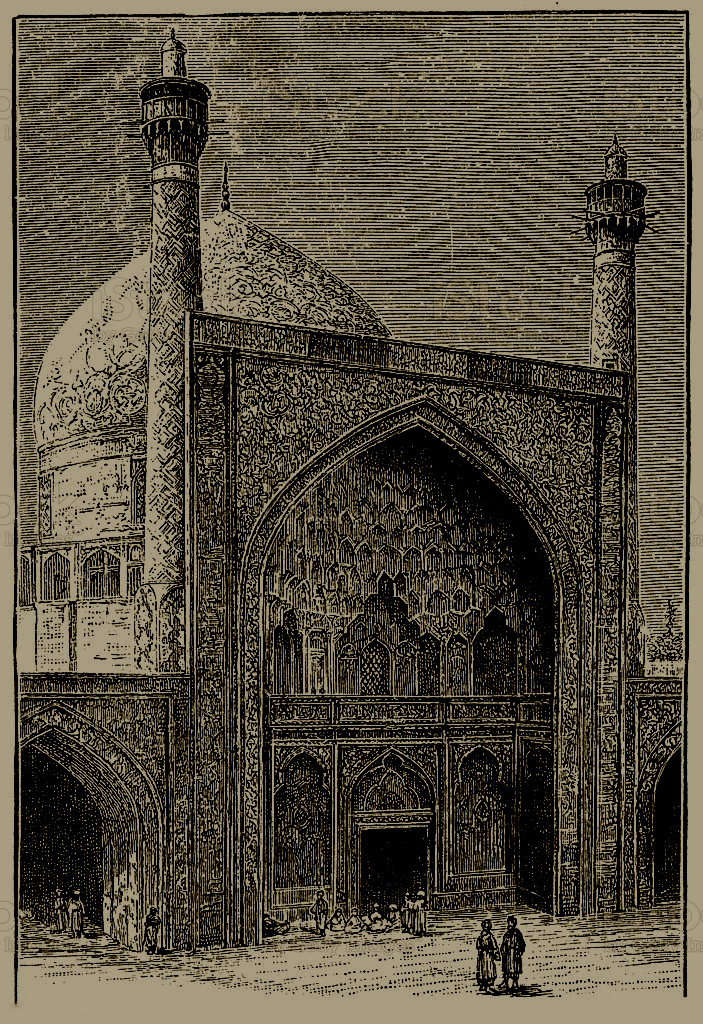
Safavid:
During the Safavid period, with the change of the capital from Qazvin to Isfahan, the era of the glory
of this square began and its grounds became the location of government buildings and the Shah’s
palace.
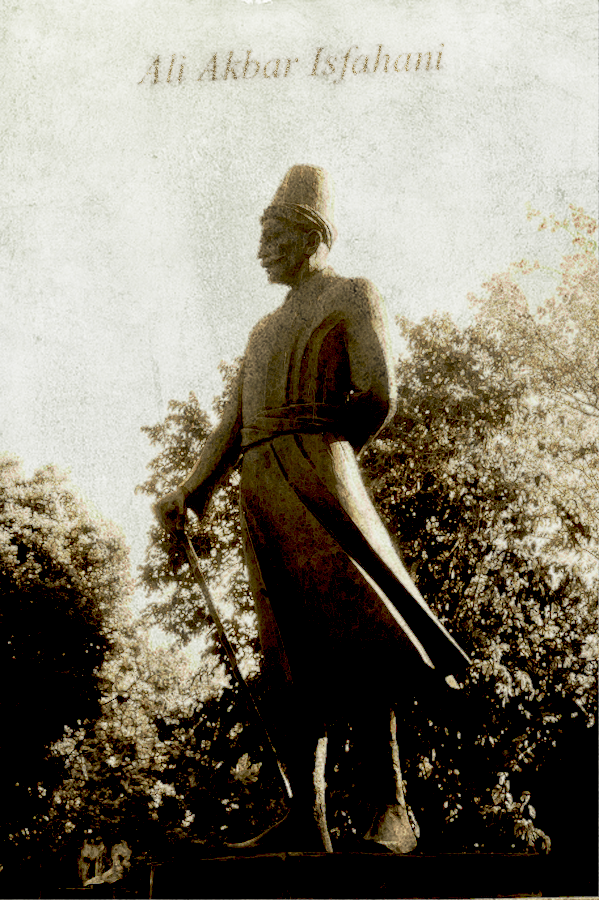
Shah Abbas Safavid, with the aim of expanding the city to its southern part on the outskirts of
Zayandehrood, by employing skilled architects such as Ustad Mohammad Reza and Ali Akbar Isfahani,
established the original building of this square. In the design and construction of this square and
its
historical monuments, it is inspired by the architectural style of the Iranian square, of which
prominent examples are Isfahan’s Atiq Square, Amir Chakhmaq Square in Yazd, Shah Square and Sahebabad
Square of Qazvin pointed out.
Imam Square
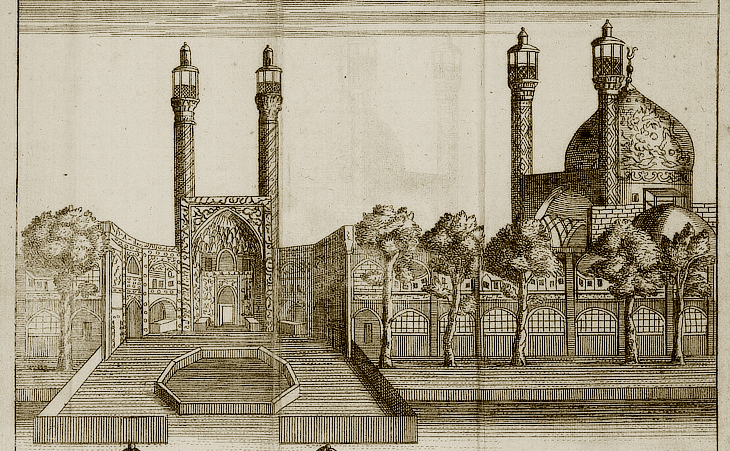
The original foundation of the present form of Imam Square was built in 1603 and gradually the
construction of the square and its buildings was completed by 1616. The work of decorating mosques and
buildings began in 1616 and continued until the reign of two of Shah Abbas’ successors.
During the last Safavid kings, Shah Suleiman and Shah Sultan Hussein, Naghsh Jahan Square lost its
glory and suffered a lot of damage. This process of destruction intensified during the Ashraf Afghan
invasion of Isfahan and continued until the Qajar period. Many parts of the mansion were destroyed due
to the negligence of the Qajar kings. Due to the change of the capital from Isfahan, little attention
was paid to this prominent square in the center of Isfahan.